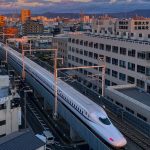
Updated October 2, 2026. Tokyo to Kyoto is one of the easiest long distance journeys in Japan once you understand one thing: Nozomi, Hikari, and Kodama are not three completely different train systems. They are different Tokaido Shinkansen service patterns using the same corridor, with the main difference being how many stations they stop at and how long the journey takes.
For most travelers, the choice comes down to a simple tradeoff between time, price, seat certainty, and how flexible the itinerary is. In 2026, a regular adult reserved seat from Tokyo to Kyoto is ¥14,170 on a Nozomi, while the standard reserved fare for Hikari or Kodama is ¥320 lower. SmartEX also has separate online fares, so the price you see can depend on how you book. JR Shinkansen Net current Tokyo-Kyoto fare reference
Why This Route Is More Complicated Than It Looks
Search for Tokyo to Kyoto and you will quickly find advice telling you to “just take the Shinkansen.” That is technically correct, but it does not answer the questions that matter when you are actually planning the trip.
Should you pay more for Nozomi? Is Hikari meaningfully slower? Does Kodama actually save enough money to justify the extra time? Should you reserve a seat? Which side has the Mount Fuji view? And what happens if you have a large suitcase?
Those details can make a two hour journey feel effortless or unexpectedly annoying.
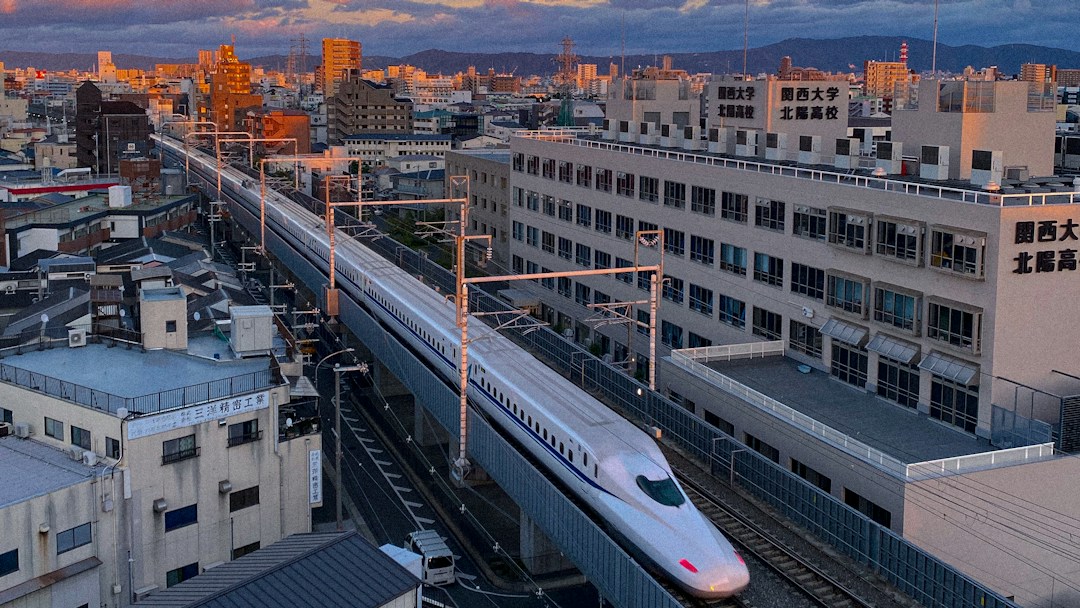
Nozomi: The Fastest Choice Between Tokyo and Kyoto
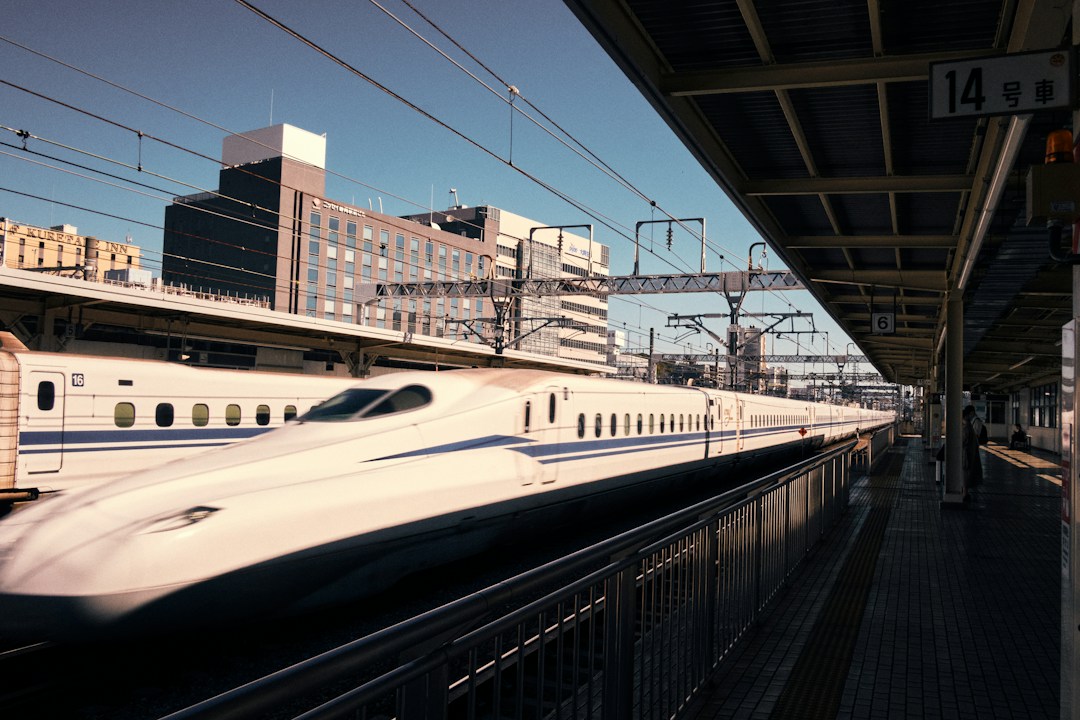
Nozomi is the fastest Tokaido Shinkansen service between Tokyo and Kyoto. A typical journey is around 2 hours and 15 minutes, although the exact running time varies by train. JR Central’s current timetable includes Nozomi, Hikari, and Kodama services on the Tokaido Shinkansen. JR Central 2026 timetable
The appeal of Nozomi is frequency as much as raw speed. JR Central describes Nozomi services as departing every few minutes during busy periods, which gives travelers more flexibility when their sightseeing schedule changes. JR Central Shinkansen guide
The standard regular-season fare for a reserved ordinary-class seat from Tokyo to Kyoto is currently listed at ¥14,170. An unreserved ordinary-class seat is ¥13,320. SmartEX provides a separate online fare structure, including ¥13,970 for a Nozomi reserved ordinary seat in the regular season. Tokyo-Kyoto current fare table
For a traveler with a tight itinerary, the extra flexibility of Nozomi can matter more than the small difference between train types.
When Nozomi makes practical sense
Look at Nozomi first when you are moving directly between Tokyo and Kyoto and your sightseeing schedule is already packed. Saving roughly twenty to thirty minutes compared with a typical Hikari journey can be useful when that time comes directly out of your day in Kyoto.
Hikari: Slightly Slower, Still a Mainstream Choice
Hikari makes more stops than Nozomi, so it takes longer. A typical Tokyo to Kyoto journey is around 2 hours 40 minutes, although the exact time depends on the service.
The standard reserved-seat price in an ordinary car is currently ¥13,850, or ¥320 less than the regular Nozomi reserved fare. That is not a dramatic saving, but Hikari is important for another reason: the Japan Rail Pass covers Hikari without requiring the special Nozomi ticket that is needed for Nozomi journeys. The official Japan Rail Pass rules currently list Hikari and Kodama among the covered Tokaido Shinkansen services, while Nozomi and Mizuho require an additional special ticket. official Japan Rail Pass rules
That makes Hikari particularly relevant for travelers who already have a nationwide JR Pass.
Kodama: The Slow Option That Usually Requires a Specific Reason
Kodama stops at all stations on the Tokaido Shinkansen route. From Tokyo to Kyoto, that means a much longer journey, typically around 3 hours 40 minutes.
The regular reserved fare is the same as Hikari at ¥13,850, so Kodama does not automatically save you money simply because it is slower. That is the part many outdated travel guides get wrong.
Kodama becomes more interesting when you are intentionally using a discounted product. JR Tokai Tours currently sells the Platt-KODAMA one-way package, with Tokyo to Kyoto listed at ¥10,960 for the applicable ordinary-car weekday product under the conditions published from September 1, 2026. JR Tokai Tours Platt-KODAMA
That discount is much more meaningful than the normal Hikari versus Nozomi price difference. The tradeoff is obvious: you are exchanging a longer train ride and a more restrictive ticket product for a lower fare.
Tokyo to Kyoto Shinkansen: The Numbers at a Glance
| Service | Typical journey | Regular fare reference | Best fit |
|---|---|---|---|
| Nozomi | About 2h 15m | ¥14,170 reserved / ¥13,320 unreserved | Time-sensitive itineraries |
| Hikari | About 2h 40m | ¥13,850 reserved | JR Pass users and travelers comfortable with a few extra stops |
| Kodama | About 3h 40m | ¥13,850 reserved | Travelers using specific discounted products or those who want an all-stop service |
Journey times are typical rather than guarantees, and fares can vary with season and booking method. SmartEX publishes its own prices separately from standard station fares. SmartEX fare information
Is Nozomi Worth Paying More For?
The answer depends on what that extra time is worth inside your itinerary.
For a relaxed two-week trip, paying ¥320 more than the standard Hikari reserved fare may be less important than simply choosing the departure time that fits your plans. For a short five or seven-day itinerary, the faster service can make a difference because the journey happens in the middle of a limited vacation window.
The useful comparison is therefore not “Which train is best?” It is “What am I doing with the thirty or forty minutes I would spend on the slower service?”
That way of thinking is more useful than treating train speed as a quality ranking.
What the JR Pass Changes
This is where your decision can change completely.
The current Japan Rail Pass rules state that the pass covers Hikari and Kodama on the Tokaido Shinkansen. Nozomi is excluded unless you buy the dedicated Nozomi Mizuho ticket for the same route and travel together with your valid JR Pass. official Japan Rail Pass rules
That means someone paying for each Shinkansen trip individually can compare Nozomi, Hikari and discounted products on price. A traveler who already bought a JR Pass needs to think about the pass’s coverage rules first.
Our Japan Rail Pass guide for 2026 goes deeper into why the pass should be compared against your actual itinerary rather than treated as an automatic purchase.
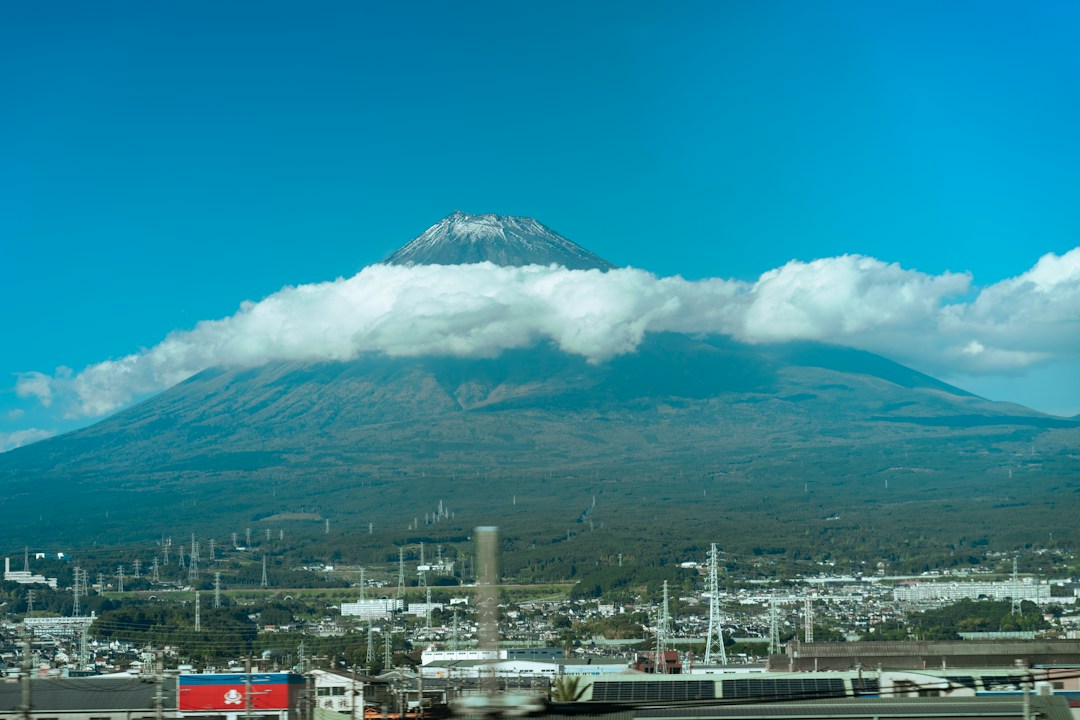
Which Side Should You Sit On for Mount Fuji?
There is a small Shinkansen trick worth knowing when traveling Tokyo to Kyoto.
JR Central’s current Shinkansen guide says that travelers heading from Tokyo toward Kyoto or Osaka should choose Seat E in Standard Class or Seat D in Green Car for a chance to see Mount Fuji. Visibility depends on weather and operating conditions, so the seat is an opportunity rather than a guarantee. JR Central Shinkansen guide
For many travelers, this is one of those tiny choices that costs nothing but makes the ride more memorable.
What About Large Suitcases?
This matters more than people expect, especially when traveling between hotels.
On the Tokaido Shinkansen, baggage with total dimensions of 160 cm or less can generally be stored in the overhead racks, footwell, or designated baggage storage areas without an oversized-baggage reservation. Baggage between 161 and 250 cm requires a seat reservation with an oversized baggage area. JR Central luggage information
There is no extra seat charge for that oversized-baggage-area reservation, but if you bring qualifying oversized baggage without the required reservation, JR Central states that a ¥1,000 fee can apply. JR Central luggage information
If your suitcase is large, solve the luggage question when you book the seat rather than hoping there will be space when you board.
Should You Reserve or Use an Unreserved Seat?
For a short journey, an unreserved seat can look attractive because the current regular fare is ¥13,320, which is ¥850 below the regular Nozomi reserved fare. Current Tokyo-Kyoto fare reference
The tradeoff is uncertainty. Unreserved seats are first come, first served, and JR Central notes that available car numbers can vary by service. Its current guide lists unreserved cars for Nozomi, Hikari and Kodama, but travelers should check the departure board and current train information rather than assuming every train has the same arrangement. JR Central Shinkansen guide
For couples, families, or anyone who simply wants to sit together after a long day, a reserved seat can remove an unnecessary source of stress.
How to Book the Shinkansen in 2026
One of the easiest ways to book the Tokaido Shinkansen is through SmartEX. The current service allows reservations from one year before the boarding date, up to four minutes before the scheduled departure time, subject to availability. QR-ticket or IC-card boarding is available under the service. SmartEX reservation information
There are also discounted advance-purchase products. For example, the current EX Hayatoku 7 product offers discounted reserved seats on eligible trains when booked at least seven days before travel, subject to limited availability and exclusion periods. SmartEX EX Hayatoku 7
This is worth checking before buying a standard fare, especially when your Tokyo to Kyoto date is fixed.
What I Would Actually Compare Before Booking
Do not open the booking screen and compare only train names.
First check your hotel checkout and check-in times. Then look at the departure time you actually want. Then compare the total fare under the booking method you plan to use. Finally, check luggage and seating needs.
For a fixed schedule, a reserved Nozomi may give you the cleanest fit. For JR Pass users, Hikari is directly relevant. For travelers focused on a discounted fare and willing to accept a longer ride, a specific Kodama product can change the calculation.
One More Reason Not to Obsess Over the Train Type
The Tokyo to Kyoto Shinkansen journey is already relatively short compared with the scale of the route. You are sitting in the same general corridor, leaving from central Tokyo and arriving directly in Kyoto rather than dealing with an airport transfer.
The bigger planning mistake is often not choosing the “wrong” Shinkansen. It is building an itinerary that forces you to spend too much of the day moving between cities.
If your trip is only a week long, the extra time saved by Nozomi can be useful. If you have a slower itinerary, the difference between services may barely matter. The train choice should serve the trip, not become the trip.
Tokyo to Kyoto Shinkansen: A Simple Decision Framework
Choose Nozomi when the departure time and shorter journey matter most and you are buying individual tickets.
Choose Hikari when you want a slightly slower journey, a lower standard reserved fare, or you are traveling with a Japan Rail Pass.
Consider Kodama when a specific discounted product gives you a meaningful fare reduction and you are comfortable spending substantially longer on the train.
Book an oversized-baggage seat when your three-side luggage total exceeds 160 cm.
Choose the Fuji-facing side when the view matters and weather conditions give you a chance to see the mountain.
The goal is not to memorize every Shinkansen rule. It is to make one clean booking that fits the actual day you have planned.
Official Sources
- JR Central: 2026 Tokaido Shinkansen Timetable
- JR Central: Shinkansen Perfect Guide
- SmartEX: Fare and Reservation Service
- SmartEX: EX Hayatoku 7
- Japan Rail Pass: Covered Trains and Accommodations
- JR Central: Luggage Information
- JR Tokai Tours: Platt-KODAMA
Fares, timetables, seat availability, discount conditions, and baggage rules can change. Confirm the current details with the official operator before your travel date.