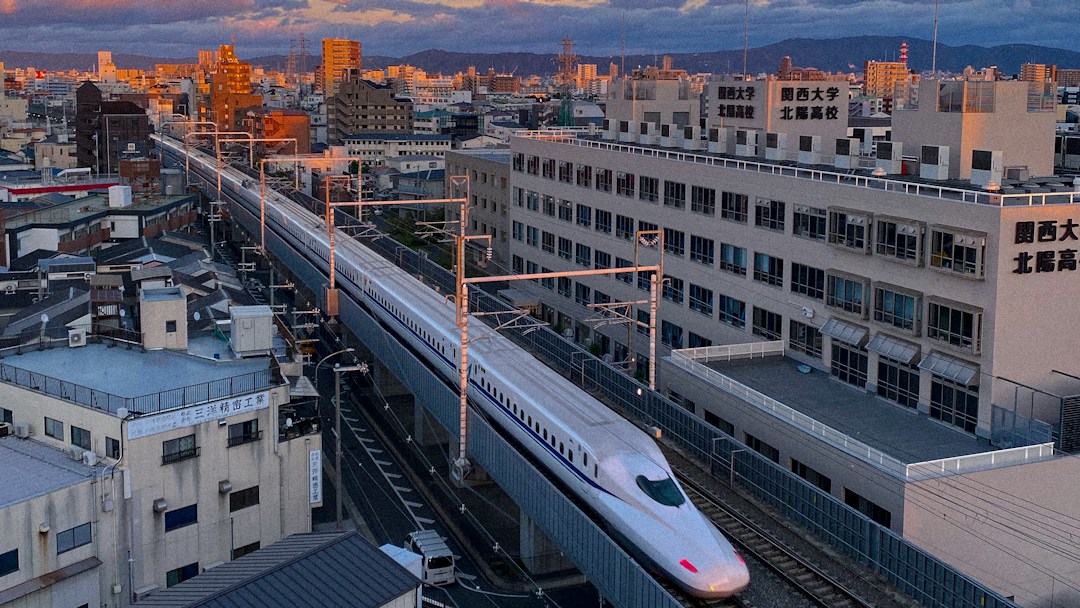

Updated October 2, 2026. The Japan Rail Pass is still useful, but the days when buying the nationwide pass was an automatic choice for a Japan trip are long gone. The price is high enough now that your route matters more than the number of days printed on your itinerary.
That makes the better question surprisingly simple: how much long-distance JR travel are you actually going to do during the period covered by the pass?
For a traveler spending most of a week between Tokyo, Kyoto, and Osaka, the answer may be different from someone covering Tokyo, Hiroshima, and several other long-distance destinations. The pass can still make sense in 2026, but it should be treated as a calculation rather than a default travel accessory.
What Changed With the Japan Rail Pass in 2026?
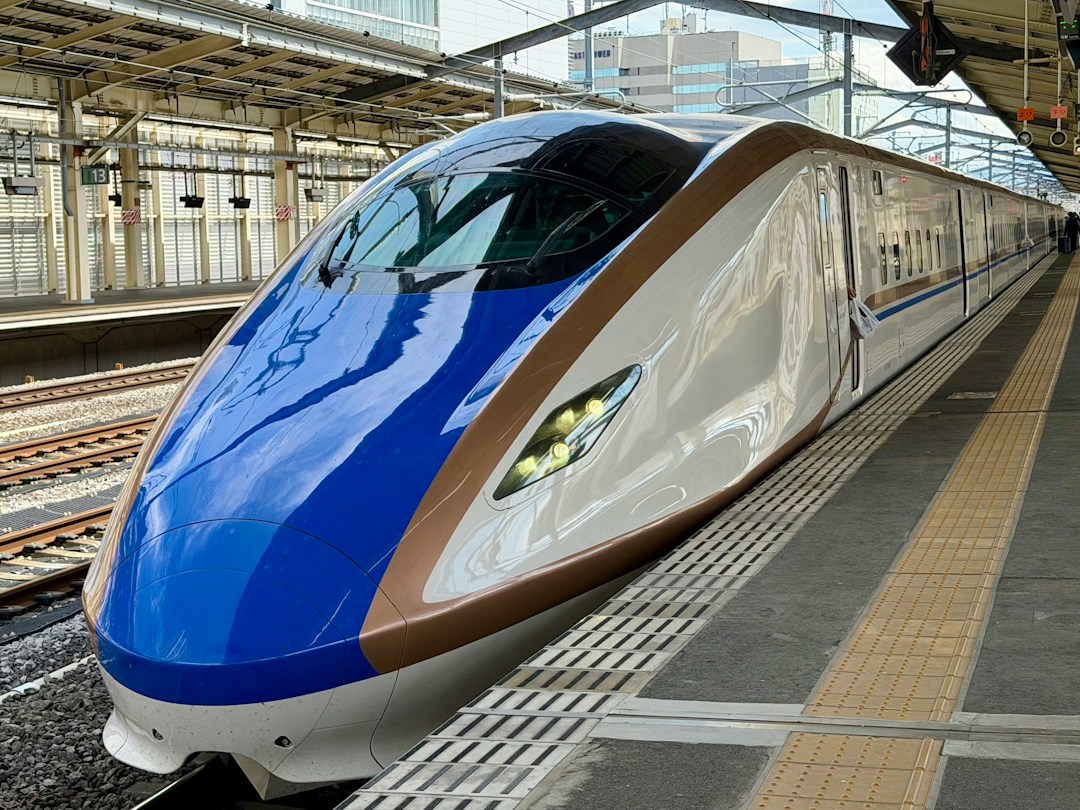
The nationwide Japan Rail Pass comes in 7-day, 14-day, and 21-day versions, with Ordinary and Green Car options. The biggest change for travelers in 2026 is the price difference between overseas agency purchases and the official online service.
| Validity | Ordinary, Official Online | Ordinary, Overseas Agency | Green, Official Online | Green, Overseas Agency |
|---|---|---|---|---|
| 7 days | ¥50,000 | ¥53,000 | ¥70,000 | ¥74,000 |
| 14 days | ¥80,000 | ¥84,000 | ¥110,000 | ¥116,000 |
| 21 days | ¥100,000 | ¥105,000 | ¥140,000 | ¥147,000 |
JR Group announced that prices for purchases from overseas designated agencies would rise from October 1, 2026. The official online service is temporarily retaining its previous prices, although JR has not announced an end date for that temporary price treatment. Because prices can change, check the official Japan Rail Pass site immediately before purchasing.
Children aged 6 to 11 use child pricing. The pass is intended for eligible travelers, including foreign visitors entering Japan with the Temporary Visitor status. Your passport information is tied to the pass, so it cannot simply be transferred to another traveler.
The First Question to Ask: Where Are You Going?
The most common mistake with the Japan Rail Pass is starting with the pass and then trying to make the itinerary fit it. Start with the trip instead.
If your plans are concentrated in one city, or even one region, a nationwide pass is usually the wrong place to begin. Tokyo travelers may spend most of their time using local trains and subway services, while a Kyoto and Osaka itinerary can often be handled with ordinary tickets or a regional pass designed for Kansai.
Even when you are traveling between major cities, the number of long-distance journeys matters. A seven-day trip that looks busy on paper can still contain surprisingly little JR travel if most of your sightseeing happens inside Tokyo, Kyoto, and Osaka.
When the Nationwide Pass Starts to Make More Sense
The nationwide pass becomes more interesting when your itinerary contains several expensive JR journeys packed into a relatively short window.
Think about an itinerary such as Tokyo to Kyoto, Kyoto to Hiroshima, Hiroshima back toward Tokyo, and additional JR trips around the country. You are no longer paying for one isolated Shinkansen ride. You are paying for the ability to make several long-distance journeys during the same validity period without buying a separate basic fare and limited express ticket for each covered trip.
This is where a 14-day or 21-day pass can also become more relevant for travelers taking a genuine multi-region trip. The pass is much easier to justify when the railway network is effectively the backbone of the itinerary rather than just one convenient ride between two cities.
Why Tokyo, Kyoto, and Osaka Alone Usually Aren’t Enough
Japan’s classic Golden Route is a fantastic first trip, but it is exactly where travelers can overestimate the value of the nationwide pass.
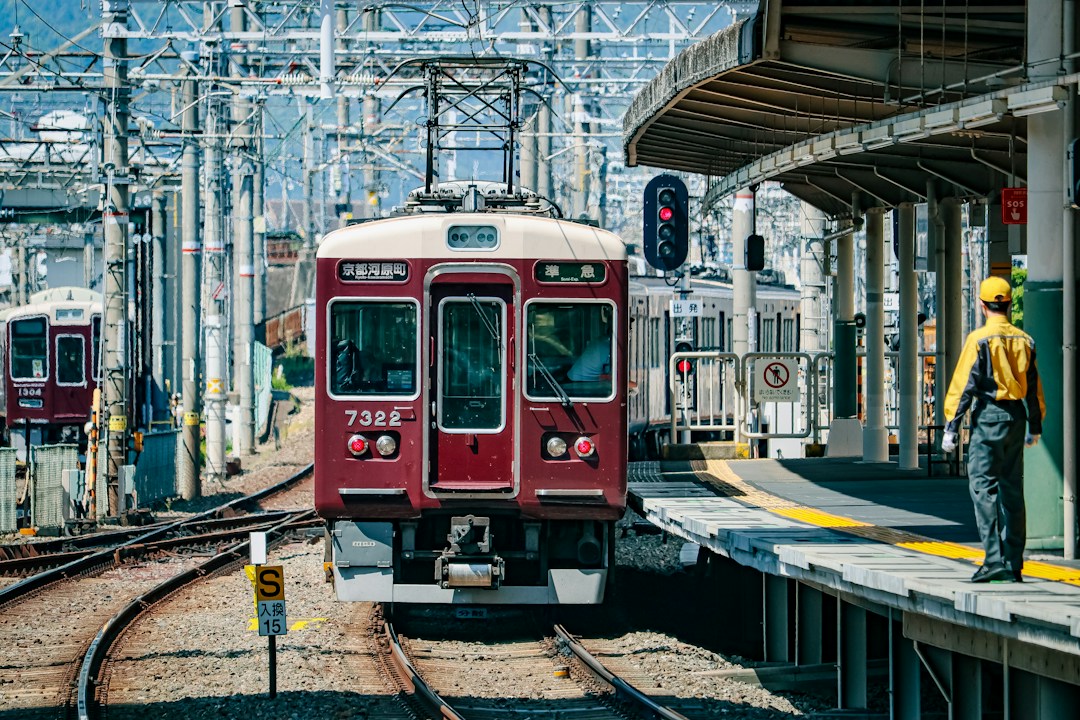
Tokyo, Kyoto, and Osaka are connected efficiently by the Tokaido Shinkansen, yet you may only make one or two long-distance journeys during an otherwise city-focused holiday. Paying for unlimited nationwide rail access does not automatically make sense just because the trip includes a Shinkansen.
There is another detail that makes the calculation less obvious: the nationwide Japan Rail Pass does not simply let you board every Shinkansen service without conditions. On the Tokaido, Sanyo, and Kyushu Shinkansen, Nozomi and Mizuho require an additional special ticket when used with the pass.
The Japan Rail Pass can be used on eligible Hikari and Kodama services, while pass holders can purchase the special NOZOMI MIZUHO Ticket separately when they want to use those faster services. For Tokyo or Shinagawa to Kyoto, the additional Nozomi/Mizuho ticket is currently ¥4,960 per adult journey.
That distinction matters when you build a realistic trip budget. A pass should not be compared with a hypothetical version of your itinerary where every train is automatically covered in every service category.
Regional Passes Can Be the Better Fit
One of the strongest reasons not to treat the nationwide pass as the default option is the growing range of regional passes.
JNTO specifically notes that the nationwide Japan Rail Pass may not be the most economical choice for every traveler and points visitors toward regional alternatives for journeys concentrated in a particular part of Japan.
For example, JR-West currently offers a Kansai Area Pass covering destinations including Osaka, Kyoto, Kobe, Nara, Himeji, Wakayama, and Otsu. Adult prices currently range from ¥2,800 for one day to ¥7,000 for four days.
Travelers combining Kansai with Hiroshima can also look at the Kansai-Hiroshima Area Pass, which currently costs ¥17,000 for five days and covers eligible JR travel between the Kansai area and Hiroshima, along with the JR-West Miyajima Ferry.
There are also regional options covering places such as Kanazawa, Toyama, Fukui, Tottori, Okayama, and other parts of western Japan. The important point is not that one regional pass is universally better. It is that the geography of your trip should determine which pass, if any, you buy.
A Simple Way to Calculate Your Trip
You do not need a complicated spreadsheet to make the decision.
First, write down every long-distance journey you genuinely expect to take. Ignore short subway rides and local sightseeing for the moment.
Then separate those journeys into three groups:
- Long-distance JR trips: Shinkansen and eligible limited express journeys between regions.
- Local JR trips: Useful, but usually not enough on their own to justify the nationwide pass.
- Non-JR transportation: Private railways, many subways, buses, flights, and other services that may require separate tickets.
Next, compare the expected cost of individual tickets with the current price of the pass. If the pass only saves a small amount, flexibility and convenience may still matter to you, but you should know that you are paying for that convenience.
If individual tickets are already substantially below the pass price, buying the pass simply because it says “unlimited” is not a saving strategy.
Three Japan Trip Patterns to Think About
A city-heavy first trip
Imagine seven days split between Tokyo, Kyoto, and Osaka with most of your time spent exploring neighborhoods, temples, food districts, shopping areas, and attractions within those cities. In this type of trip, local transportation is a much bigger part of your daily movement than nationwide rail travel. A nationwide pass may add cost without adding much practical value.
A classic route with a major detour
Now add Hiroshima, a long-distance excursion into another region, or several substantial intercity journeys. The calculation changes. Several expensive JR journeys inside the same seven-day window can make the nationwide pass far more relevant.
A multi-region railway trip
For travelers deliberately crossing large parts of Japan by rail, the nationwide pass becomes easier to evaluate because the railway network is doing much more of the work. This is the kind of itinerary where the 14-day or 21-day validity periods may deserve serious consideration.
The Pass Can Save More Than Money
There is a non-financial reason to buy a rail pass: simplicity.
Some travelers value having one pass covering a large portion of their railway travel. If you know you will be moving repeatedly between regions, that simplicity can be worth something even when the mathematical saving is modest.
But convenience should be an intentional purchase. Do not call a pass “good value” simply because it makes booking feel easier.
There Are Also Trips Where You Should Look Outside JR
Japan’s transport network is not only JR.
Depending on your destination, private railway companies, subways, local buses, highway buses, ferries, and domestic flights can be important parts of the itinerary. A nationwide JR pass cannot magically turn those journeys into covered travel.
This is especially important when planning trips around areas where private railway networks are prominent. A traveler who spends most of the trip on non-JR transportation could own a Japan Rail Pass and still pay for a large portion of the actual journey.
For a broader introduction to getting around the country, see our guide to using public transport in Japan. And when you are building a short first-time itinerary, our 7-day Japan itinerary guide can help you work out how much intercity travel you are actually planning.
One More Thing: Check the Train You Are Actually Booking
The difference between Nozomi, Hikari, and Kodama is not just a trivia question. It can affect both travel time and what you need to pay when using the Japan Rail Pass.
Nozomi is the fastest Tokaido Shinkansen service and is especially useful between Tokyo, Kyoto, and Shin-Osaka. The Japan Rail Pass can be used with Nozomi only when the separate special ticket is purchased in addition to the pass.
During certain peak travel periods, Nozomi trains also operate with all seats reserved. JR Central publishes the dates for these periods in advance, so travelers making a tightly scheduled trip should check the current conditions rather than relying on an old blog post.
So, Is the Japan Rail Pass Worth It in 2026?
There is no universal yes or no answer, and that is exactly why the pass is easy to misjudge.
The 7-day Ordinary pass is currently ¥50,000 through the official online purchase service, while the overseas agency price is ¥53,000 for purchases from October 1, 2026. Green Car versions are considerably more expensive. Those numbers mean your itinerary needs to contain a meaningful amount of covered long-distance rail travel before the nationwide pass becomes financially compelling.
A Tokyo-only trip is not the situation the pass was designed to solve. A Tokyo-Kyoto-Osaka trip should be calculated rather than assumed. A multi-region journey involving several long-distance JR routes deserves a much closer look at the pass and at regional alternatives.
The best way to decide is to build the itinerary first, list the journeys second, and choose the pass last.
That approach also gives you a much more useful travel plan. Instead of asking, “How can I make this pass pay for itself?” you are asking the question that matters more: “What is the simplest and most sensible way to move through the Japan I actually want to see?”
Official Sources
- Japan Rail Pass prices and types
- Japan Rail Pass conditions of use
- Official online purchase information
- Nozomi and Mizuho special ticket information
- JNTO regional JR rail passes
- JR-West Kansai Area Pass
- JR-West Kansai-Hiroshima Area Pass
Prices and railway rules can change. Always confirm the latest information with the official railway operator before purchasing tickets or passes.