

Updated October 2, 2026. A Suica card used to be one of those tiny Japan travel decisions that barely deserved a second thought. You bought a card, loaded some yen, and tapped through the station gate. In 2026, the choice is a little more interesting because travelers can use physical tourist cards, mobile options, and other IC cards depending on their phone, route, and how long they are staying.
So, do you actually need a Suica card for Japan? Not necessarily. But for many first-time visitors, having an IC card is one of the easiest ways to make everyday transport less annoying. The trick is choosing the version that fits your trip instead of assuming every traveler needs the same card.
What a Suica or IC Card Actually Does
Japan’s IC cards are prepaid contactless cards used for public transportation and small purchases. Suica and PASMO are the names most international travelers hear first, but several regional cards participate in Japan’s interoperable IC system.
For a traveler, the big advantage is simple: instead of buying a separate paper ticket for every local train or bus journey, you load money onto the card and tap when you enter and exit where IC payment is supported. JNTO also notes that compatible IC cards can be used at many convenience stores, vending machines, lockers, shops, and some other services displaying the IC symbol. urlJNTO: IC Travel Cardshttps://www.japan.travel/en/plan/ic-card/ If you are still figuring out the wider transport system, our guide to using public transport in Japan is a useful companion.
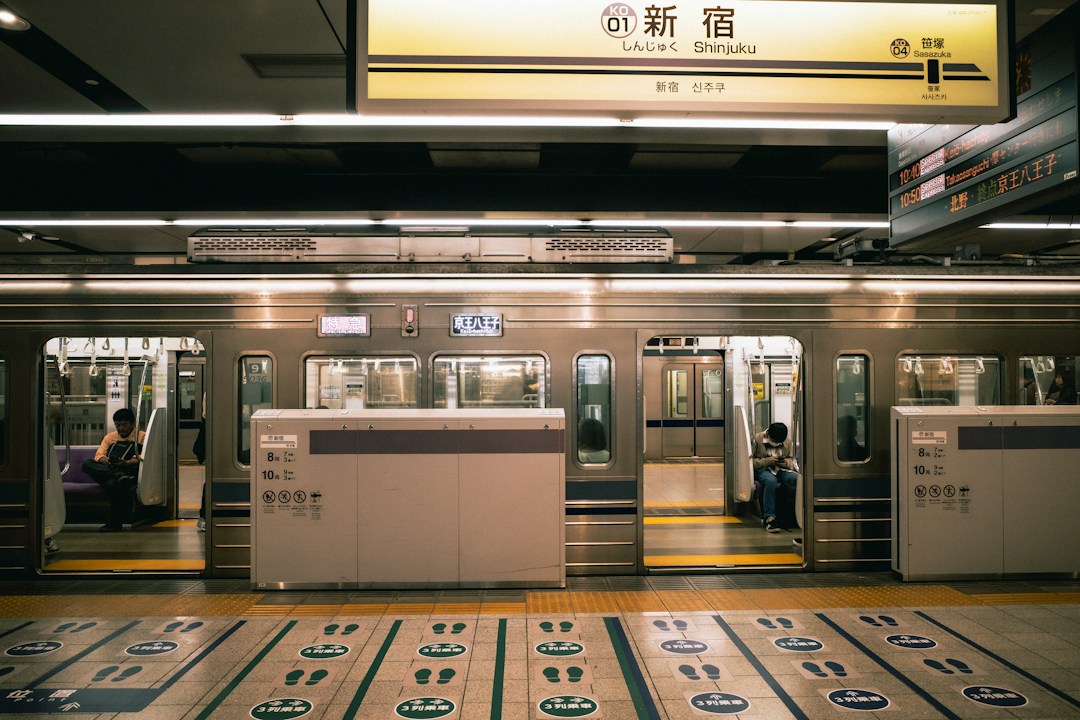
Which IC Card Options Can Visitors Use in 2026?
There is no single card that every international visitor must buy. The main options worth understanding are Welcome Suica, Welcome Suica Mobile, and TOURIST PASMO, alongside compatible regional IC cards where available.
Welcome Suica
Welcome Suica is a tourist-oriented physical IC card from JR East. Unlike a standard card that normally involves a deposit, Welcome Suica is sold without a deposit. The trade-off is that its stored value is not refundable, and the card has a limited validity period.
JR East’s current rules state that the short-term Welcome Suica is valid for 28 days from the start of use. JNTO also identifies Welcome Suica as one of the visitor-focused IC cards available to international travelers. urlJR East: Welcome Suica ruleshttps://www.jreast.co.jp/e/welcomesuica/regulations.pdf
Welcome Suica Mobile
This is the interesting option for travelers who would rather leave the plastic card at home. Welcome Suica Mobile is designed for compatible Apple Pay devices and allows users to issue and top up a Suica before entering Japan. JR East says the app is for users aged 13 and over, requires an Apple Pay supported device, and has a 180-day validity period from the date of issue. Remaining balance is not refundable.
The app has also continued to gain features. In October 2025, JR East connected Welcome Suica Mobile with JR-EAST Train Reservation for certain reserved-seat services, and in March 2026 it added support for purchasing Suica Green Car Tickets for eligible local trains in the Tokyo metropolitan area. urlJR East: Welcome Suica Mobilehttps://www.jreast.co.jp/en/multi/wsmlp/
TOURIST PASMO
PASMO now has a dedicated tourist card again. TOURIST PASMO is designed for international visitors, requires no deposit, is valid for 28 days from purchase, and can be used on participating trains and buses as well as for cashless shopping. PASMO’s current 2026 information says it is sold at Narita and Haneda airports, with prices from ¥1,000 to ¥10,000 depending on the sales location.
The important detail is that the stored value is not refundable. PASMO also states that TOURIST PASMO cannot be reissued if lost. urlPASMO: TOURIST PASMOhttps://www.pasmo.co.jp/tourist-pasmo/
So Which One Makes Sense for Your Trip?
The answer depends less on the card name and more on how you travel.
You have an iPhone and want the least amount of physical stuff
Welcome Suica Mobile is worth considering because you can issue the card on a compatible Apple Pay device and top it up on your phone. It is particularly convenient for travelers who are comfortable using their phone for transportation and do not want to carry another card.
There is one important catch: not every foreign phone setup is compatible. JR East specifically notes that the app works only with Apple Pay supported devices and that some versions of iOS and watchOS are not supported. Availability can also be restricted in some countries. Check the official requirements before relying on it as your only transport method.
You want something physical and simple
Welcome Suica or TOURIST PASMO can be easier. You do not have to worry about battery life every time you approach a ticket gate, and both are intended for international visitors.
This can be especially useful for a family sharing the mental load of a busy travel day. Everyone knows what is in the wallet, and a low phone battery does not suddenly become a transport problem.
You are staying for a short trip
A tourist card’s limited validity may not be a problem at all. For a normal holiday, 28 days is far longer than most itineraries.
The bigger issue is unused balance. Visitor-focused cards do not generally refund the remaining stored value, so there is little reason to load a huge amount of money at the beginning of a trip.
Do You Need an IC Card for the Shinkansen?
This is where travelers sometimes mix up two different things.
An IC card is excellent for everyday local transport, but it is not a universal replacement for every long-distance rail ticket. You can use IC cards for many local and urban train journeys, but Shinkansen travel is a separate ticketing problem depending on the service and reservation system you use.
That distinction is especially important if you are planning a multi-city trip. Our guide to the Japan Rail Pass in 2026 covers the bigger long-distance rail decision, while your IC card is better thought of as your everyday transport wallet.
What About IC Card Compatibility Across Japan?
You do not need to memorize every regional IC card in Japan.
Suica and PASMO are widely useful, and JNTO notes that interoperable IC cards can be used across many regions. But there are exceptions. Some local transport services and certain areas do not accept IC cards, and highway buses are an important example.
The practical rule is simple: look for the IC symbol and check the transport operator when you are heading somewhere outside the major urban networks. Do not assume that because a card worked perfectly in Tokyo it must work on every bus, railway, or rural route you encounter later.
How Much Money Should You Put on Your Card?
Do not think of an IC card as a prepaid travel budget. Think of it as a small running balance for everyday spending.
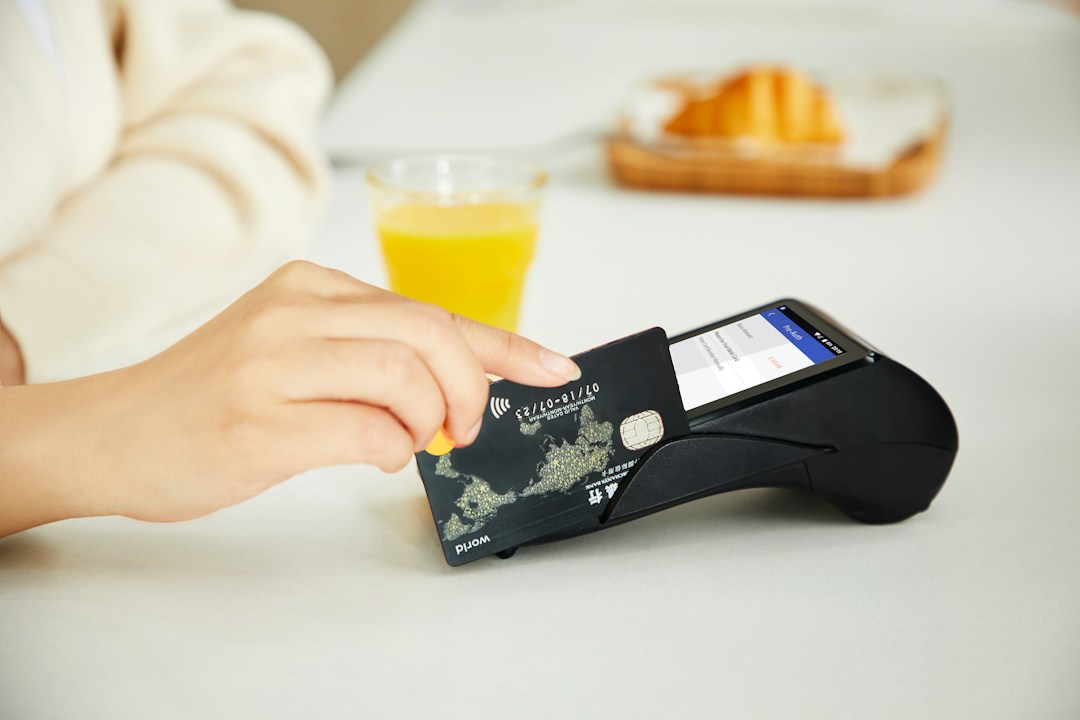
A modest starting balance is easier to manage than loading tens of thousands of yen immediately. You can top up as needed, and JNTO notes that physical cards can generally be charged at station ticket machines, although top-up methods vary and cash is still important at many machines.
For a first-time visitor, it is also smart to keep some cash available even if most of your transport and small purchases are handled electronically. Japan has plenty of cashless payment options, but acceptance is not universal.

Common Suica Mistakes First-Time Visitors Make
Loading too much money
There is no prize for ending your trip with a large unused balance. Because visitor cards can have non-refundable balances, load what you are likely to spend and add more when necessary.
Assuming every train accepts the card
IC compatibility is widespread, not universal. When you travel into smaller cities or rural areas, check the operator and route.
Confusing an IC card with a rail pass
An IC card solves the small everyday problem of paying for local transport and purchases. A rail pass is a separate product designed around a different travel pattern. Using an IC card does not mean your long-distance Shinkansen itinerary is automatically covered.
Relying entirely on your phone
A mobile IC card is convenient, but your phone still has a battery. Keep your device charged, and understand the app’s compatibility requirements before departure.
Do You Actually Need Suica?
For a first trip focused on Tokyo and other major cities, an IC card can make everyday transport noticeably easier. But you do not need to obsess over getting a particular brand.
Think of the choice like this:
- Want a physical card? Look at Welcome Suica or TOURIST PASMO.
- Have a compatible iPhone? Welcome Suica Mobile can reduce the amount of physical stuff you carry.
- Traveling beyond major urban networks? Check whether the specific train or bus accepts interoperable IC cards.
- Planning lots of Shinkansen travel? Treat your IC card and your long-distance rail tickets as separate parts of the trip.
That is really the point. You do not need a Suica card because every Japan traveler is supposed to have one. You use an IC card because it removes a small layer of friction from a trip where you may tap through stations, buses, convenience stores, and vending machines dozens of times.
For something that fits in your pocket, that is a pretty useful job.
Official Sources
- Japan National Tourism Organization: IC Travel Cards
- JR East: Welcome Suica Mobile
- JR East: Welcome Suica rules
- PASMO: TOURIST PASMO
Transport products, validity periods, availability, and supported devices can change. Confirm the latest information with the relevant railway operator before your trip.