Updated October 2, 2026. Landing at Narita International Airport is one of those moments when Japan suddenly feels very real. You have cleared immigration, collected your luggage, and now you need to answer a deceptively simple question: how are you actually getting into Tokyo?
There is no single airport transfer that makes sense for everyone. The Narita Express is useful if your hotel is near a JR station, the Keisei Skyliner is especially convenient for Nippori and Ueno, and the low-cost airport buses can be surprisingly practical when you are carrying large luggage or staying near a bus stop. Narita Airport itself lists rail and direct bus services as the main public transport options into Tokyo. urlNarita International Airport access informationhttps://www.narita-airport.jp/en/access/
First, Know Where You Are Staying
This sounds obvious, but it is the part travelers skip most often. Do not choose an airport train first and then figure out your hotel connection afterward.
Write down the station nearest your accommodation. If you are staying around Tokyo Station, Shinjuku, Shibuya, or other west-side neighborhoods, JR East’s Narita Express can be useful because it runs directly toward major Tokyo-area stations. If you are staying around Ueno, Nippori, Asakusa, or the northeastern side of central Tokyo, Keisei services may give you a simpler route.
And if your hotel is not particularly close to a major station, an airport bus can remove a transfer and leave you much closer to the door of your accommodation.
Narita Express: The Straightforward JR Option
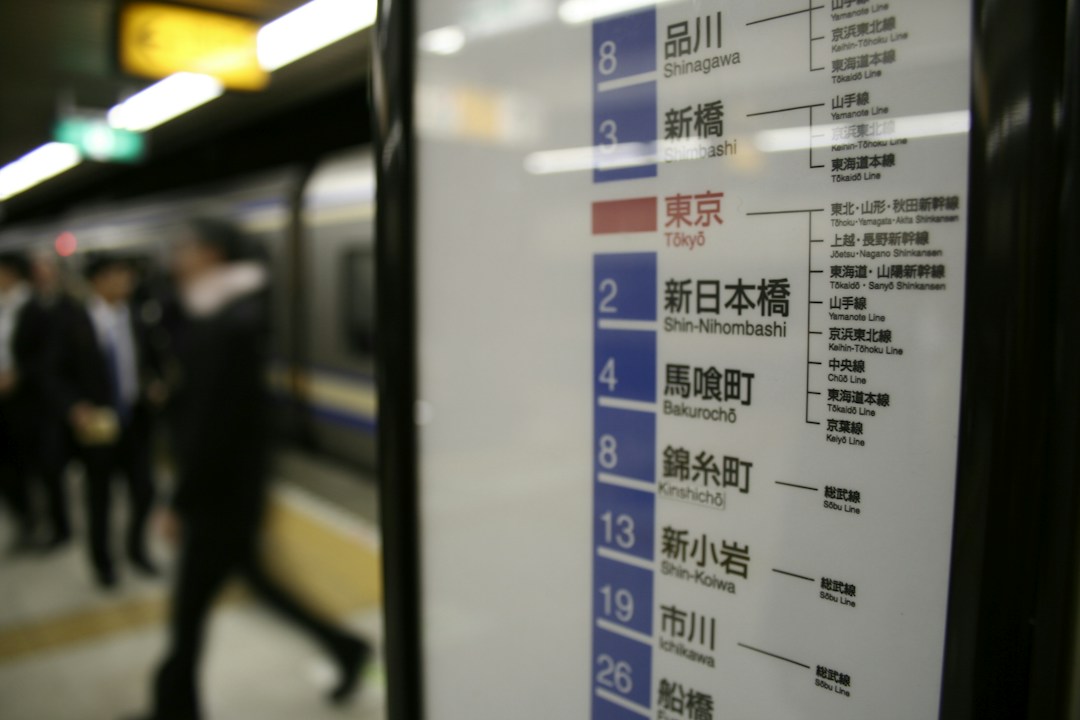
The Narita Express, usually called N’EX, is JR East’s airport limited express connecting Narita Airport with Tokyo, Shinagawa, Shibuya, Shinjuku, Yokohama and other major destinations. Narita Airport’s current railway information lists N’EX as the JR option serving Tokyo and western Tokyo-area destinations. urlNarita Airport railway accesshttps://www.narita-airport.jp/en/access/train/
For many first-time visitors, the appeal is not complicated. You get on a reserved-seat train at the airport and stay on the same service toward your destination, rather than piecing together several local trains while jet-lagged.
JR East currently offers an N’EX TOKYO Round Trip Ticket for ¥5,000 per adult. The ticket covers a round trip between Narita Airport and eligible stations in the greater Tokyo area, including Tokyo and several major stations on the route. JR East also states that all N’EX seats are reserved seats. citeturn978539search25turn978539search0
Who should look at N’EX first?
If your hotel is near Tokyo, Shinagawa, Shibuya, or Shinjuku, start by checking N’EX. It is also a natural option when you expect to continue your journey using JR trains after arriving in Tokyo.
There is one catch worth knowing: N’EX is not automatically the shortest route to every neighborhood. If you are staying somewhere that requires a transfer across Tokyo after arriving, another airport service may be easier.
Keisei Skyliner: Fast Toward Ueno and Nippori
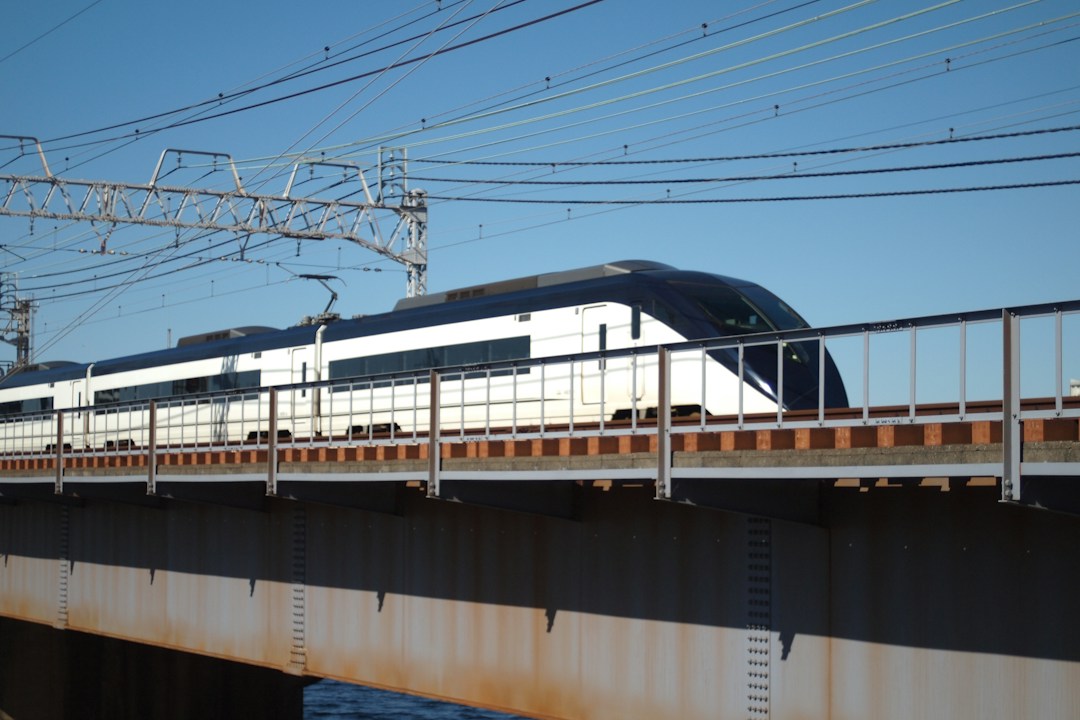
The Keisei Skyliner takes a different route into Tokyo. It uses the Narita Sky Access Line and connects Narita Airport with Nippori and Keisei-Ueno. Keisei currently advertises a shortest journey of about 36 minutes between Narita Airport Terminal 2·3 and Nippori. All Skyliner seats are reserved. citeturn912298search0
That makes the Skyliner particularly interesting for travelers staying around Ueno, Akihabara, Asakusa, or nearby neighborhoods where a Nippori or Ueno arrival leaves you with an easy onward connection.
Keisei’s current standard fare from Narita Airport to Nippori or Keisei-Ueno is listed at ¥2,470 for adults on its fare page, with a slightly different amount depending on whether you use an approved IC card for the base fare. Keisei also currently offers online discount tickets, including a one-way discount price of ¥2,310 for the Skyliner. citeturn197977search8turn912298search5
Airport Bus: The Option People Forget
Trains get most of the attention, but the airport bus can make more sense when luggage is the main problem rather than travel time.
Narita Airport currently lists direct bus services to a wide range of Tokyo destinations, including Tokyo Station, Nihombashi, Ginza, Shinjuku, Ikebukuro, Shibuya, Shinagawa, Odaiba and several other areas. citeturn197977search1
The airport also lists several low-cost bus routes. For example, the current fare to Tokyo and Ginza is ¥1,500 except for certain late-night and early-morning services. Other destinations have their own fares. citeturn197977search10
This is where the bus becomes more interesting than the simple “train is always better” rule. If you arrive with two large suitcases and your hotel is near a direct bus stop, avoiding a station transfer can be worth more to you than shaving a few minutes off the trip.
What About the Cheapest Train?
There is a middle ground between the reserved-seat airport expresses and a more expensive direct service.
Keisei’s Access Express uses the wider Keisei and Toei network and can continue toward areas such as Asakusa, Nihombashi and Shinagawa without requiring a transfer in the same way as a Skyliner journey. Keisei publishes separate Access Express fares, and for example lists an IC fare of ¥1,235 between Nippori and Narita Airport on the route shown on its current fare page. citeturn197977search6
The trade-off is that you are no longer buying a dedicated airport limited express experience. Travel time varies by destination, and some journeys require more attention to the route and stopping pattern.
For a traveler who cares mostly about minimizing cost, Access Express is worth understanding. For a traveler who wants a reserved seat and a straightforward airport ride, Skyliner or N’EX may be easier.
Narita Airport to Tokyo: A Practical Comparison
| Option | Best for | Key advantage | Watch out for |
|---|---|---|---|
| Narita Express | Tokyo, Shibuya, Shinjuku, Shinagawa and JR connections | Direct JR service with reserved seating | Not the simplest route to every neighborhood |
| Keisei Skyliner | Ueno, Nippori and nearby areas | Very fast airport connection | Less direct for some west-side Tokyo hotels |
| Keisei Access Express | Budget-conscious travelers using the Keisei/Toei network | Lower-cost route options | More route variation and fewer airport-specific comforts |
| Airport Bus | Large luggage or hotels near direct bus stops | Fewer transfers | Road traffic can affect journey time |
The table is not a ranking. It is a way to match the transport option to your actual hotel location and travel priorities.
What I Would Check Before Buying the Ticket
Start with the hotel address, then check the arrival terminal. Narita Airport has multiple passenger terminals, and the airport provides separate station information for Terminal 1 and for the Terminal 2·3 station. The railway stations are connected to the terminals by clearly marked walking routes. citeturn197977search2turn197977search7
Next, decide whether you value a guaranteed seat, the fewest transfers, the lowest price, or direct access to your neighborhood. That single choice often eliminates two or three options immediately.
Finally, check the actual departure time you expect to arrive. Late-night and early-morning airport services do not follow the same pattern as the middle of the day, and the airport specifically advises travelers to confirm current bus schedules and ticket information with the operator. citeturn197977search1
What If You Are Arriving With a Lot of Luggage?
This is the scenario where a technically cheaper route can become a bad practical fit.
Carrying multiple suitcases through a crowded station, finding a transfer, and then walking another ten minutes to a hotel is very different from stepping off a direct bus near your accommodation. On the other hand, travelers staying near a major station may find a reserved-seat train much easier because the station connection is predictable.
Think about the final 500 meters of the journey, not only the first 50 kilometers.
Should You Use a Suica Card for the Airport Transfer?
Your IC card is useful here, but it does not mean every airport service is simply a matter of tapping through the gate.
Local and regular rail services can often be paid using compatible IC cards, while reserved airport expresses such as N’EX and Skyliner involve their own ticketing arrangements. Our Suica guide for 2026 explains the difference between an everyday IC card and the tickets you need for longer or reserved journeys.
One Simple Rule for Your First Arrival
If you are landing at Narita for the first time, do not choose your airport transfer by looking at the train name first.
Choose the station or bus stop closest to your hotel, then compare the services that reach it. N’EX makes sense for some JR-heavy itineraries. Skyliner makes a lot of sense for the Ueno and Nippori side of Tokyo. Access Express can fit a tighter budget, while a direct bus can be the least stressful solution when luggage and hotel location line up.
Japan’s transport system can seem complicated because it is incredibly interconnected. The good news is that you rarely need to understand all of it on day one. You only need to know how to get from your airport terminal to the door of your hotel.
Official Sources
- Narita International Airport: Access
- Narita International Airport: Rail Access
- JR East: Narita Express
- JR East: N’EX TOKYO Round Trip Ticket
- Keisei: Skyliner
- Keisei: Skyliner Discount Ticket
- Narita Airport: Low-Cost Bus
Airport services, fares, and timetables can change. Confirm the latest details with the official operator before traveling.